Best AI Image Generation Tools for Creators: Top Tools in 2026
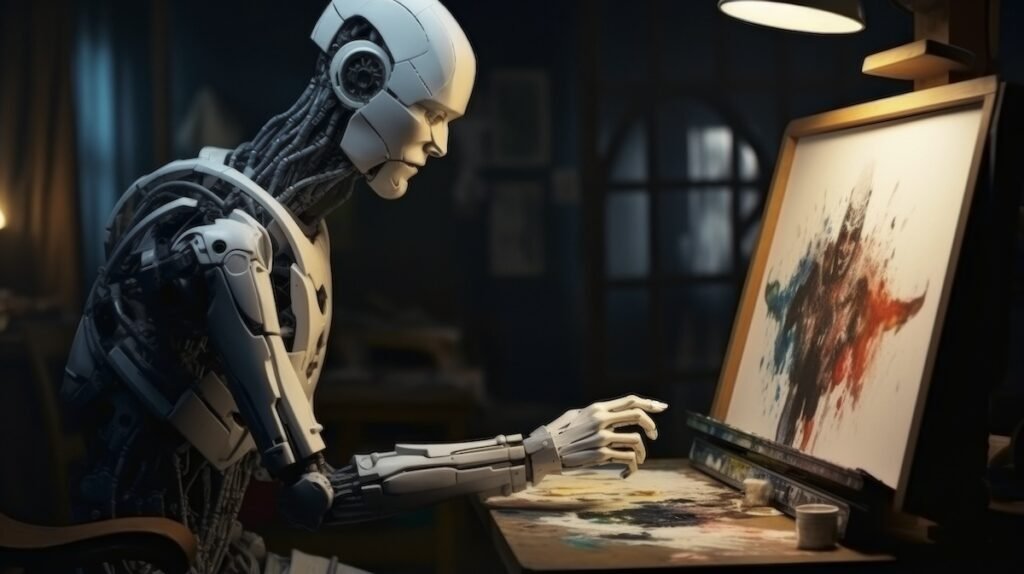
In the fast-evolving world of digital creation, artificial intelligence (AI) has emerged as a game-changer. AI image generation tools are at the forefront of this revolution, enabling creators to produce high-quality visuals with ease and speed. Whether you’re a marketer, graphic designer, content creator, or social media influencer, these tools are transforming the way we craft and visualize content.
In this article, we will explore the best AI image generation tools available today, highlight their features, and help you choose the right tool for your creative projects. Let’s dive into the world of AI and discover how these tools can enhance your workflow in 2026.
What Are AI Image Generation Tools?
AI image generation tools use machine learning and deep neural networks to create images from text descriptions or other input forms. These tools analyze vast datasets of images to understand patterns, styles, and visual elements, allowing them to generate new visuals based on a prompt you provide. For example, you might type, “a sunset over a futuristic city,” and the tool will generate an image that matches your description.
These tools are rapidly becoming essential for creators who want to produce visuals quickly and cost-effectively. They are particularly useful for those who lack advanced design skills or resources, as they allow anyone to create professional-quality images with minimal effort.
Why Creators Need AI Image Creation Tools
AI image creation tools have taken the creative world by storm for several reasons:
- Speed: What once took hours or even days can now be completed in seconds. AI tools generate images almost instantly, significantly reducing the time required for creative work.
- Cost-Effective: Instead of hiring a photographer or graphic designer, AI tools allow creators to generate images on-demand, saving money.
- Enhanced Creativity: With AI, creators can experiment with unique styles, compositions, and concepts without needing advanced skills.
- Consistency: You can generate multiple images with a consistent style, color palette, or mood, making them ideal for branding.
- Versatility: From realistic photo-like imagery to abstract art and illustrations, these tools can handle a wide variety of visual styles.
Top AI Image Generation Tools for Creators in 2026
As AI technology evolves, so do the capabilities of AI image generation tools. Whether you’re a beginner or a professional, there’s a tool for you. Here are some of the top tools in 2026 that are making waves in the creative community.
1. ChatGPT (GPT-5.2 Image Generation)
Best For: Easy-to-use, conversational image generation and refinement
ChatGPT, powered by GPT-5.2, isn’t just for text; it’s now an AI-powered tool for image generation. With ChatGPT, you can type out a description of the image you want to create, and the system generates it. If you need adjustments, the conversation format allows for real-time tweaking. This makes it perfect for creators who want to maintain control over the final output.
Pros:
- Conversational style makes it easy to refine images.
- Flexible tool for quick image iterations.
- Ideal for content creators, bloggers, and marketers.
Cons:
- Limited in terms of speed compared to other platforms.
- Best suited for single-image generation.
2. Nano Banana Pro (Google Gemini)
Best For: Comprehensive use across multiple image styles
Google’s Nano Banana Pro, part of the Gemini AI family, has rapidly become one of the most popular AI image generation tools in 2026. Known for its high-quality outputs and user-friendly interface, it excels at creating a wide range of images, from realistic visuals to stylized artwork. It also boasts impressive features that allow creators to generate both 2D and 3D art.
Pros:
- Strong AI model with fast image creation.
- A versatile tool for various types of visual styles.
- Reliable free-tier usage with paid upgrades for professionals.
Cons:
- The free version has daily generation limits.
- Some images may require further refinement to meet professional standards.
3. Midjourney
Best For: Stunning, artistic, and creative visuals
Midjourney has become synonymous with artistry. Known for its unique aesthetic, Midjourney excels in creating abstract, imaginative visuals and artistic illustrations. Whether you’re looking for surreal, dream-like art or conceptual designs, Midjourney delivers stunning results that stand out.
Pros:
- Best known for creating highly stylized, artistic images.
- Multiple modes for different styles.
- Great for visual storytellers and branding.
Cons:
- Steeper learning curve for beginners.
- May not be suitable for photorealistic image generation.
4. Leonardo AI
Best For: Professional-grade image customization and detailed refinement
For those who need more control and precision in their image generation, Leonardo AI is a top choice. It allows users to generate high-resolution images and fine-tune every aspect of the visual. With image-to-image capabilities, you can upload existing images and ask the AI to modify or enhance them.
Pros:
- Excellent for creating detailed, high-quality images.
- Provides both text-to-image and image-to-image generation features.
- Ideal for professional creators and designers.
Cons:
- Requires a paid subscription for high-res image exports.
- Might be overkill for beginners or casual creators.
5. Looka
Best For: AI-generated branding and logo design
Looka uses AI to help you design logos, brand kits, and other branding assets. While it’s primarily known for logo creation, it can also generate additional design elements for your brand. This makes it an ideal tool for entrepreneurs, small businesses, and startups looking to create a professional visual identity quickly.
Pros:
- Ideal for logo and brand creation.
- Easy-to-use interface with customization options.
- Allows for fast logo designs and brand kits.
Cons:
- Limited to branding visuals, not full creative projects.
- Paid options are required for high-quality exports.
6. Artlist
Best For: Royalty-free visuals and creative assets
Artlist is primarily known for its vast library of royalty-free music and sound effects. However, the platform now includes AI-generated visuals to complement its audio content. This makes Artlist perfect for creators looking for a one-stop shop for both video and audio content creation.
Pros:
- Comprehensive platform for both audio and visual assets.
- High-quality, royalty-free visuals.
- Ideal for video creators and content producers.
Cons:
- More focused on video projects than standalone images.
- Subscription-based with limited access to free content.
7. Ideogram
Best For: Creative storytelling through AI-generated images
Ideogram is an innovative AI tool that focuses on helping creators generate visuals for storytelling. Whether it’s book illustrations, character designs, or conceptual art, Ideogram allows you to create characters, scenes, and entire worlds based on your prompts.
Pros:
- Great for creating story-based visuals and illustrations.
- Perfect for writers, animators, and visual storytellers.
- Highly detailed and imaginative results.
Cons:
- Primarily aimed at creative professionals, not general image creation.
- Limited free usage.
8. Stable Diffusion-Based Tools
Best For: Customizable open-source AI for creative professionals
If you’re a developer or a creative professional looking for a customizable AI image generation tool, Stable Diffusion-based platforms are an excellent choice. These open-source tools allow users to create their own image generation models and tailor them to their specific needs. Tools like DreamStudio and ArtBreeder make it easy to experiment and build your own AI image system.
Pros:
- Open-source, allowing for full customization.
- Powerful image generation capabilities.
- Great for those who want to dive deeper into AI image creation.
Cons:
- May require technical expertise for setup and customization.
- Slower image generation times compared to cloud-based platforms.
How to Choose the Right AI Image Generation Tool
With so many options available, choosing the right tool depends on your specific needs and use cases. Here’s how to decide:
1. Consider Your Primary Use Case
- Marketing and Branding: Tools like ChatGPT and Nano Banana Pro are great for fast, consistent image generation.
- Artistic and Conceptual Design: If you’re after unique, stylized visuals, Midjourney or Leonardo AI are ideal.
- Customization and Flexibility: For more control and in-depth customization, consider Stable Diffusion-based tools.
2. Assess Your Budget
- Free tools are perfect for beginners and hobbyists but come with limitations.
- Paid plans unlock more advanced features, higher resolution images, and faster processing.
3. Match Your Skill Level
- Beginners will find ChatGPT and Nano Banana Pro easy to use with minimal learning curves.
- Advanced users or those looking to integrate AI into complex workflows may prefer Leonardo AI or Stable Diffusion-based platforms.
How AI Image Generation Tools Are Changing the Creative Industry
AI image generation tools are not just a passing trend; they are revolutionizing the creative industry in numerous ways. From streamlining workflows to providing new opportunities for creative experimentation, these tools are transforming how content is created, shared, and monetized.
For example:
- Marketing professionals can quickly generate high-quality images for social media, blog posts, or ads.
- Graphic designers can use these tools to speed up their design process or generate concepts that would take hours to create manually.
- Content creators and social media influencers can now produce stunning visuals without needing extensive design skills or resources.
Frequently Asked Questions (FAQs)
What are AI image generation tools?
AI image generation tools use artificial intelligence to create visuals from text prompts. These tools are widely used for generating images in various artistic styles, from photorealistic to abstract and conceptual designs.
Are AI image generation tools free?
Many tools offer free tiers with limited features or usage. Paid subscriptions provide access to advanced features, higher resolution images, and faster processing.
How do I improve the output from AI image generation tools?
To get better results, use detailed and clear prompts. Specify the style, mood, colors, and other elements in your description. Additionally, refine the generated images by providing iterative feedback.
Can I use AI-generated images commercially?
The usage rights vary by platform. Most tools allow commercial use, but you should always check the licensing agreements of each tool to ensure you’re compliant.
Are AI image generation tools suitable for beginners?
Yes! Many tools, like Nano Banana Pro and ChatGPT, are designed to be user-friendly and accessible to creators at all skill levels.
Conclusion
AI image generation tools are an exciting innovation that offers creators an unprecedented opportunity to produce high-quality visuals in a fraction of the time and cost. Whether you’re looking to create marketing assets, experiment with art, or streamline your design workflow, there’s an AI tool that can help.
As technology continues to evolve in 2026, these tools will only get better offering even more sophisticated features, improved image quality, and greater creative freedom. Experiment with the tools listed above, and let AI help you bring your creative vision to life.
